Choosing between an air source and a ground source heat pump is an important decision for anyone looking to upgrade their home to a more efficient, low-carbon heating system. Both options use renewable energy and offer major savings on running costs, but they operate differently and suit different property types. Understanding the differences helps you make a confident, informed choice that fits your home’s layout, insulation level, and long-term heating needs.
Air source heat pumps are the most commonly installed systems due to their flexibility and straightforward setup. Ground source heat pumps provide exceptional efficiency and stable output throughout the year. The key is matching the right system to your available space and heating demand so you benefit from maximum comfort and performance.
How Air Source and Ground Source Heat Pumps Work
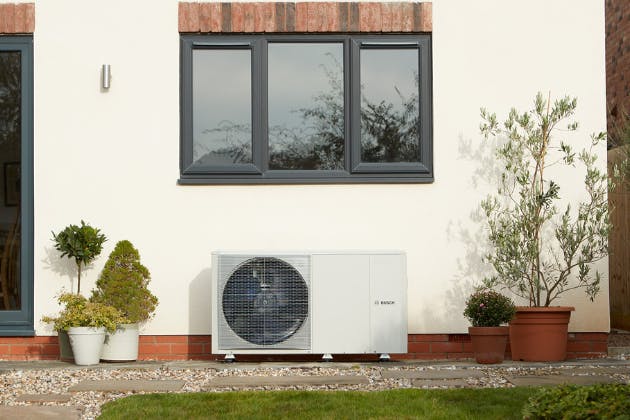
Air source heat pumps take heat from the outside air and upgrade it to a usable temperature for heating and hot water. Even during colder months, there is still enough latent heat in the air for the system to operate effectively. This makes them suitable for a wide range of properties, including modern homes, terraced houses, and properties with limited outdoor space.
Ground source heat pumps use heat stored naturally in the ground. This is accessed through buried pipework known as ground loops or through vertical boreholes. The ground maintains a consistent temperature throughout the year, allowing the system to deliver highly efficient heat output regardless of the weather. This stability is the main reason ground source systems often achieve higher overall efficiency levels than air source units.
Installation Requirements and Space Considerations
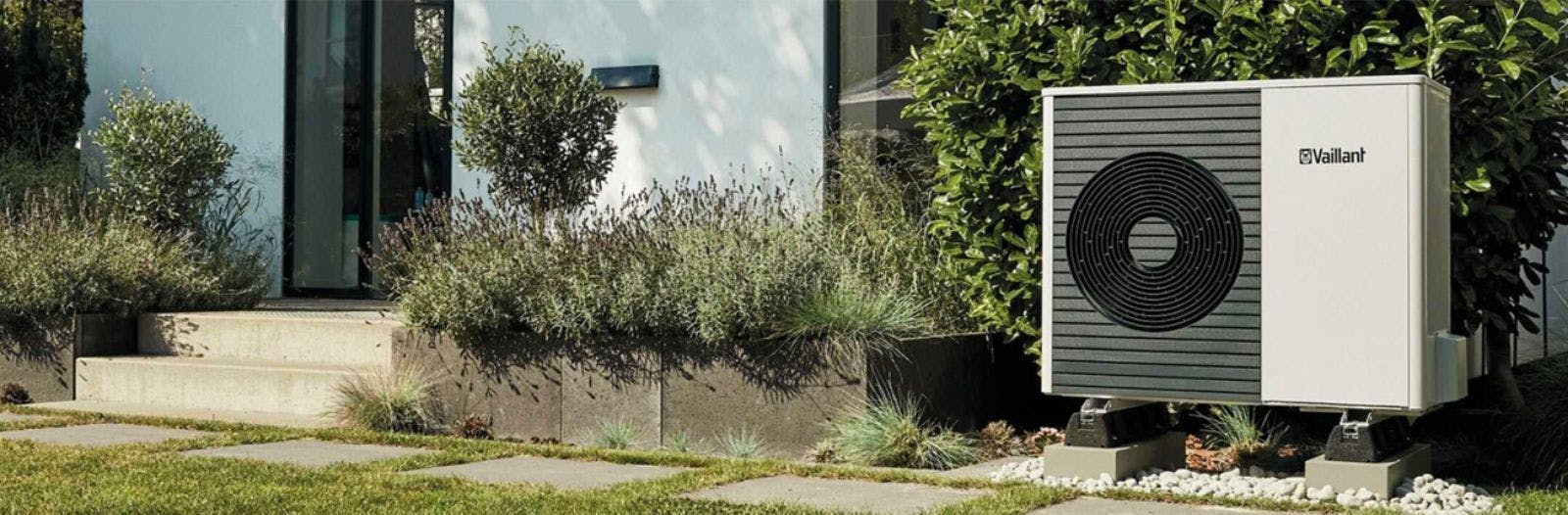
Air source heat pump installation Kent is generally much simpler and quicker. The main requirement is an outdoor unit positioned with good airflow and suitable access for maintenance. Because the footprint is small, installation works well in densely built areas, including properties with small gardens or limited external space.
Ground source systems require significantly more preparation. Homes with large gardens can opt for horizontal ground loops, which involve digging trenches. Properties without much horizontal space may require vertical boreholes, which are drilled deep into the ground. Although this process is more complex, once installed, the system is quiet, discreet, and delivers very stable performance. A detailed survey helps determine which method fits your land, layout, and heating requirements.
Efficiency, Performance and Running Costs
One of the biggest differences between these systems is their long-term efficiency. Ground source heat pumps often achieve higher seasonal performance because they draw heat from the stable ground temperature. This can lead to lower running costs and exceptionally consistent heat output in winter.
Air source heat pumps still deliver excellent efficiency and remain the most popular choice. Their lower upfront installation cost and flexible design make them ideal for many homes, especially where space for trenches or boreholes is limited. When installed correctly by experienced heating engineers Kent, both systems can dramatically reduce heating bills and carbon output.
Suitability for Your Property Type
The best system for your home depends on several factors, including insulation levels, available land, heating demand and your long-term expectations. Air source systems suit homes of all sizes and are ideal for property owners wanting a straightforward renewable upgrade with minimal disruption.
Ground source systems suit properties with suitable outdoor space, long driveways, or land where trenches or boreholes can be installed without limitations. They are also an excellent option for homeowners looking for the highest long-term efficiency and consistent performance across every season. A professional survey ensures your selected system is correctly sized to deliver the reliability and comfort you need.
Ongoing Maintenance and System Care
Both air source and ground source heat pumps require regular checks to maintain efficiency, performance, and reliability. Air source heat pumps benefit from clear airflow around the outdoor unit, filter cleaning, and routine servicing to keep components running smoothly. Ground source systems need less frequent attention but still require periodic servicing to monitor fluid levels, pumps, and circulation components. Booking a yearly heat pump service Kent ensures your system stays efficient and avoids unnecessary breakdowns.
Expert Heat Pump Installations in Kent, Bromley, Sevenoaks and Tonbridge
Our experienced heating engineers Kent, Bromley, Sevenoaks and Bromley can assess your space, insulation and heating demand before recommending the most efficient solution. Get in touch with us to discuss your options.