Blog
Heat Pump Cleaning: What You Can Do Yourself and What to Avoid
Simple, safe ways to look after your heat pump at home without risking damage or safety issues.
Keeping your air source heat pump clean and clear helps it run smoothly, keeps your home comfortable and reduces the risk of annoying breakdowns. The key is knowing what you can safely do yourself, and what must be left to a qualified engineer.
Safe jobs homeowners can handle
You do not need specialist tools to carry out a few basic housekeeping tasks around your heat pump. Small, regular checks make a big difference to airflow and reliability.
Think of these jobs as light cleaning and visual checks only. You should never be taking panels off or working on anything electrical or sealed.
Keep the outdoor unit free from leaves, rubbish and plant growth
Gently wipe or brush external fins without bending them
Check drainage outlets for obvious blockages
Clean indoor vents or filters where your system has them
Listen and look for unusual vibration or water pooling
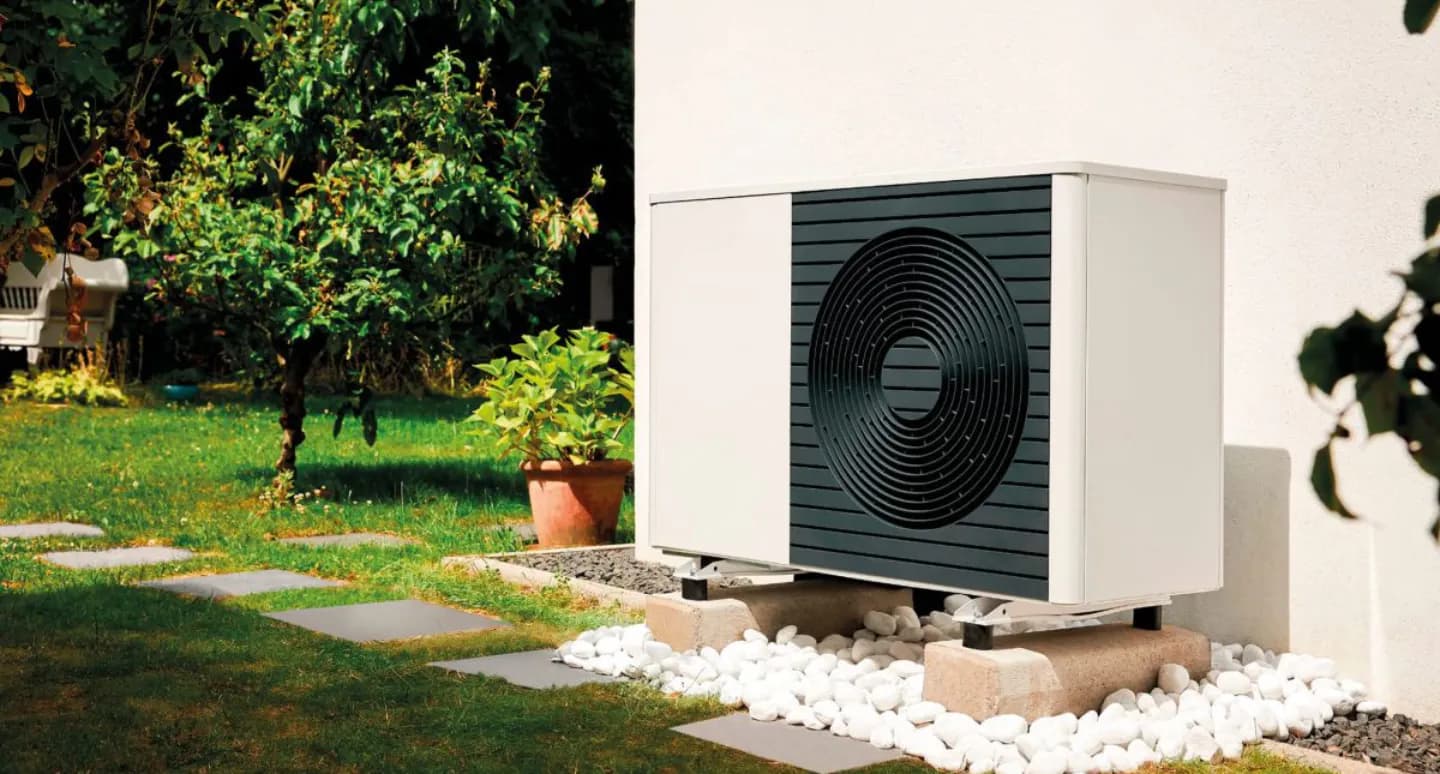
Keeping airflow clear around the outdoor unit
Air source heat pumps rely on a steady flow of air through the outdoor unit. If this space is cluttered or overgrown, your system has to work harder to keep your home comfortable.
Check around the outdoor unit for leaves, rubbish, garden furniture or stored items that might be restricting airflow. Move anything that is leaning on the unit or blocking the front, back or sides.
Keep plants, hedges and grass trimmed so there is a clear gap all around the unit. Avoid stacking items on top of it, even temporarily, as this can trap heat and restrict air movement.
Cleaning the external fins safely
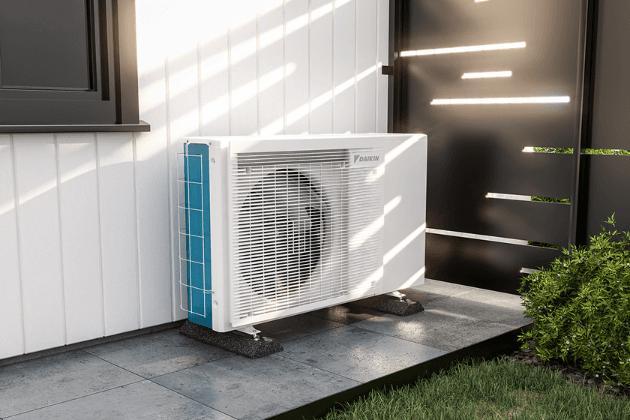
The thin metal fins on the outdoor unit help transfer heat between the refrigerant and the outside air. They are delicate, so a gentle approach is essential when cleaning.
Use a soft brush or a damp cloth to wipe away light dust, cobwebs and loose debris from the fins and grille. Work carefully in the direction of the fins so you do not bend them.
Heat pump cleaning mistakes to avoid
Certain cleaning methods can cause serious damage to your heat pump or create safety hazards. Keeping it simple is always best with this kind of equipment.
No pressure washers: High-pressure water can bend fins, force water into electrical parts and cause corrosion.
No harsh chemicals: Avoid bleach, oven cleaner, strong degreasers or anything abrasive on the unit.
No scrubbing pads: Wire wool and scouring pads can damage protective coatings and the fins themselves.
If the unit is heavily soiled or looks mouldy or greasy, ask a qualified engineer to carry out a proper clean as part of a service.
Checking drainage routes and water run-off
Most air source heat pumps produce some condensation, and in colder weather there will be defrost water. This should drain away freely from the unit without backing up.
Visually check any drain outlets or trays beneath the unit for obvious blockages such as leaves, mud or algae build-up. If you can clearly see debris, remove it by hand or with a gentle rinse from a low-flow hose.
A small amount of water under or near the unit can be normal, especially in damp or cold weather. Large puddles that do not clear, or water running back towards the house, should be assessed by an engineer.
Indoor vents, filters and keeping air moving
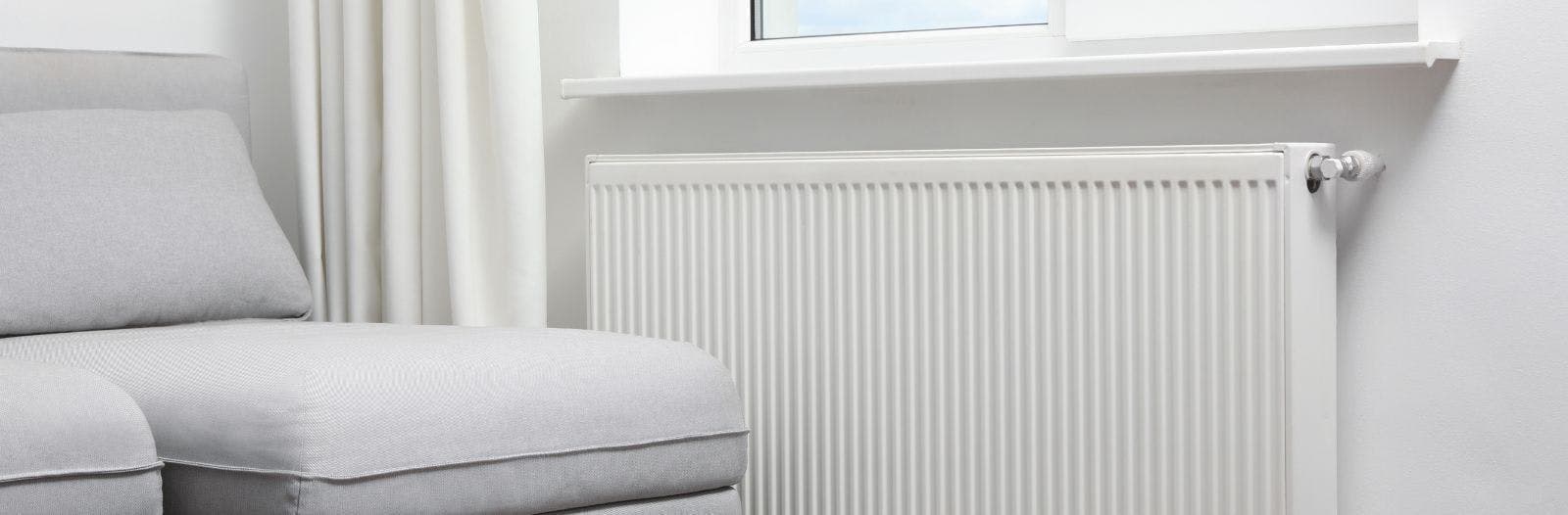
Some heat pump systems have indoor fan units or air handling units with filters, while others connect to underfloor heating or radiators without separate air filters. Your user manual should show what applies in your home.
Where your system has indoor vents or grilles, keep them free of dust and never block them with furniture, curtains or storage. Wipe the surfaces regularly with a soft cloth to prevent build-up.
If you have removable air filters, check how the manufacturer recommends cleaning them. Many can be gently vacuumed or washed and dried before refitting. Make sure any filters are completely dry before you put them back in place.
Listening and looking for early warning signs
You live with your heat pump every day, so you are well placed to notice changes in how it runs. Picking up small issues early can prevent them turning into bigger faults.
Pay attention to any new rattling, buzzing or vibration, either at the outdoor unit or indoors. Light humming is normal, but anything sharp, loud or intermittent should be checked by an engineer.
Keep an eye out for persistent water pooling around the unit, ice build-up that does not clear, or obvious damage to the casing. Do not try to fix these yourself; instead, make a note of what you see and arrange a service.
Heat pump cleaning tasks you must not attempt
Heat pumps are complex systems with high pressures and live electrical components. Even if you are handy around the house, some areas are completely off limits for safety and to protect your warranty.
As a rule of thumb, if a job involves tools, removing covers or exposing wiring, it is not a DIY task. Leave the following to a qualified heat pump engineer:
Do not open or tamper with the sealed refrigerant circuit or copper pipes
Do not remove external or internal panels, other than clearly marked user-access panels for filters
Do not attempt any electrical work, including wiring, fuses or control boards
Do not use harsh chemicals or coil cleaners unless specified by the manufacturer and applied by an engineer
Simple regular checks to keep your system comfortable
Rather than waiting for a particular season, build light heat pump checks into your normal home routine. This keeps things running smoothly without eating into your time.
Every few weeks, walk past the outdoor unit, clear any loose debris, and listen for unusual noises. Once a month, glance at any indoor vents or filters and give them a quick clean if they look dusty.
If anything looks or sounds out of the ordinary, make a note and speak to a professional. The aim is steady, gentle care, not deep maintenance work at home.
Get professional support for full peace of mind
Light cleaning and regular checks are a great way to support your heat pump, but they are not a substitute for a full professional service. A qualified engineer can check pressures, electrics, controls and internal components that homeowners should never touch.
For a thorough inspection and clean, book a heat pump service with The Heat Pump Guy on 01689 495672. You can also read more on our Heat Pump Servicing and Heat Pump Repairs page, and explore our in-depth servicing checklist for a detailed look at what a proper service includes.
Other Articles
.webp&w=1920&q=75)