Blog
Heat Pump Thermostat Settings for Comfort and Efficiency
Use the right settings and a simple schedule to keep your air source heat pump comfortable, efficient and easier to manage.
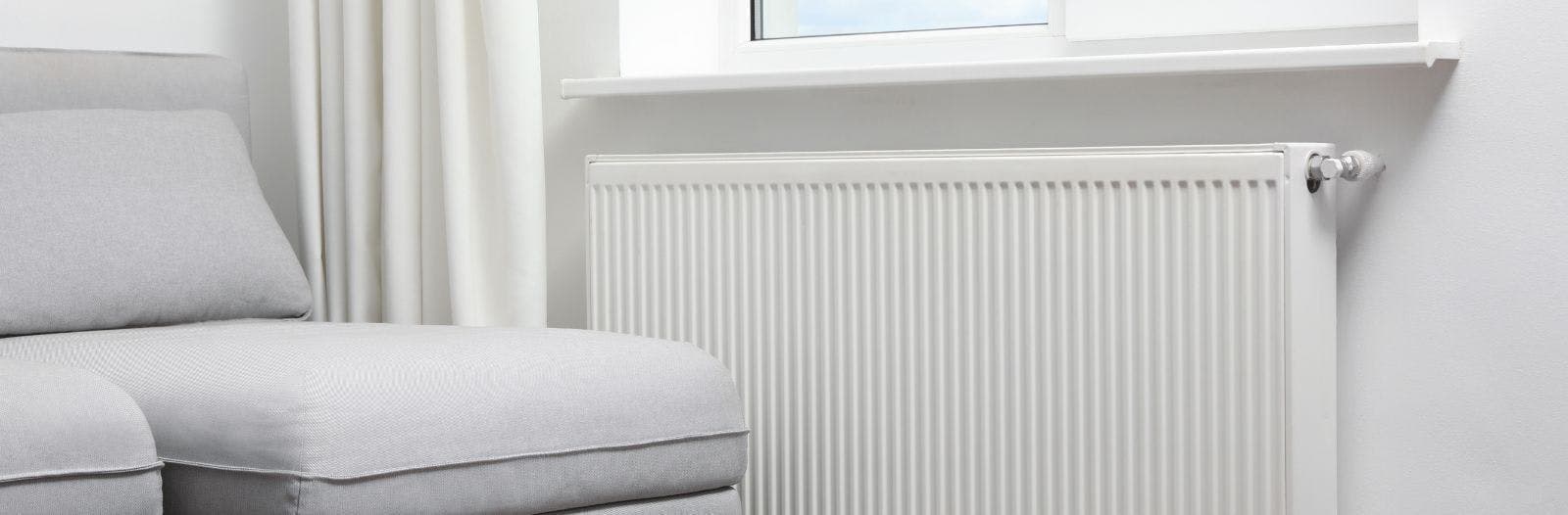
Getting the best from an air source heat pump often depends less on constantly adjusting the temperature and more on setting up the controls correctly. Unlike a traditional boiler, a heat pump usually works most efficiently when it maintains a steady indoor temperature over longer periods.
Choose steady heating over constant adjustments
Most air source heat pumps are designed to run at a lower flow temperature for longer, rather than quickly raising the temperature after the heating has been switched off. A ‘set and forget’ approach can therefore provide more even comfort and help the system operate efficiently.
Set your preferred room temperature and allow the heat pump to maintain it. Small changes, such as adjusting the target from 19°C to 20°C, are generally more suitable than repeatedly turning the heating off and on throughout the day.
Build a simple heating schedule
If you use a time programme, keep it straightforward. Set heating periods around your daily routine, but avoid short bursts that demand a rapid temperature increase. The exact schedule depends on your home, insulation and lifestyle, although many households benefit from a longer, lower-level heating period.
Use a comfortable target temperature, commonly around 18°C to 21°C.
Allow enough time for the property to warm gradually.
Avoid changing the programme every day unless your routine genuinely varies.
Check that holiday and temporary settings are not still active.
Understanding temperature setbacks
A temperature setback means lowering the target temperature for a period rather than switching the heating off completely. For example, you might reduce the setting overnight or while the property is empty, then raise it slightly when the household returns.
Small setbacks can be appropriate in a well-insulated home, particularly during longer absences or overnight. However, a large drop may make the heat pump work hard to recover, especially in cold weather. If the property takes many hours to regain comfort, the setback is probably too deep or the recovery programme starts too late.
When a setback may not suit your home
Homes with high heat loss, underfloor heating or occupants who need a consistent temperature often work better with a nearly constant setting. Underfloor systems respond slowly, so switching them off for short periods can create discomfort without delivering meaningful savings.
During very cold weather, avoid aggressive recovery settings that can cause the system to call for electric backup heat, where that feature is installed. Backup or immersion heating can be considerably more expensive to run. Your installer or service engineer can confirm how the controls prioritise this heat source.
Match the thermostat to your heating zones
Single thermostat systems
With one thermostat, the chosen reference room has a major influence on the whole home. Keep radiators or emitters in this room open and avoid placing the thermostat near a radiator, sunny window, draught or heat-producing appliance.
The reference room should represent the general comfort of the property. If it warms quickly because of cooking or strong sunlight, the thermostat may stop the heating while other rooms remain cool.
Multiple zones and smart TRVs
Multiple thermostats or smart thermostatic radiator valves, often called smart TRVs, can provide useful room-by-room control. Problems arise when each device follows a different schedule or calls for heat at conflicting times.
For example, one room may demand heat at 6am while the main thermostat is scheduled to remain off until 7am. Another room may close its TRV shortly after the heat pump starts. These conflicting instructions can produce complaints about uneven temperatures, frequent starts or rooms that never seem to reach their target.
Coordinate schedules so the main controller and room controls work together. In a reference room, leave the TRV fully open or set it above the thermostat target, otherwise the valve can shut before the central control has correctly judged the home’s temperature.
Weather compensation and room thermostats
Weather compensation adjusts the heat pump’s flow temperature in response to outdoor conditions. On milder days, it can use a lower flow temperature, while colder weather prompts a gradual increase.
This works best with steady thermostat settings and open emitters, rather than frequent on-off changes. For a clearer explanation of the relationship between outdoor temperature and system performance, read our guide to weather compensation.
Control checks for comfort complaints
Before changing advanced settings, review the control logic. Many comfort issues come from a programme, sensor or valve preventing the system from responding as intended.
Confirm the system is in Heat mode rather than Auto, Cool or Off.
Check the target temperature and compare it with the current room reading.
Review time programmes, temporary overrides, holiday modes and clock settings.
Check that the room sensor is away from direct sunlight, draughts and local heat sources.
Make sure TRVs in the reference room are open and not set below the main thermostat.
Check whether hot water priority is active. If the cylinder is being heated, space heating may pause temporarily by design.
Hot water priority is usually normal, but repeated or unusually long periods can affect comfort if schedules overlap with high hot water demand. Adjusting the hot water programme or reviewing priority settings may help, but changes should follow the manufacturer’s guidance.
Get your heat pump controls working together
Correct thermostat settings can improve comfort, reduce unnecessary cycling and help your air source heat pump run at an efficient pace. If schedules, zones or sensors are not working together, a control review during routine maintenance can often identify the issue without changing the whole system.
The Heat Pump Guy can provide a control optimisation check during servicing. Explore our heat pump servicing and heat pump installation services, or call The Heat Pump Guy on 01689 495672 for practical advice on setting up your system.
Other Articles
.webp&w=1920&q=75)