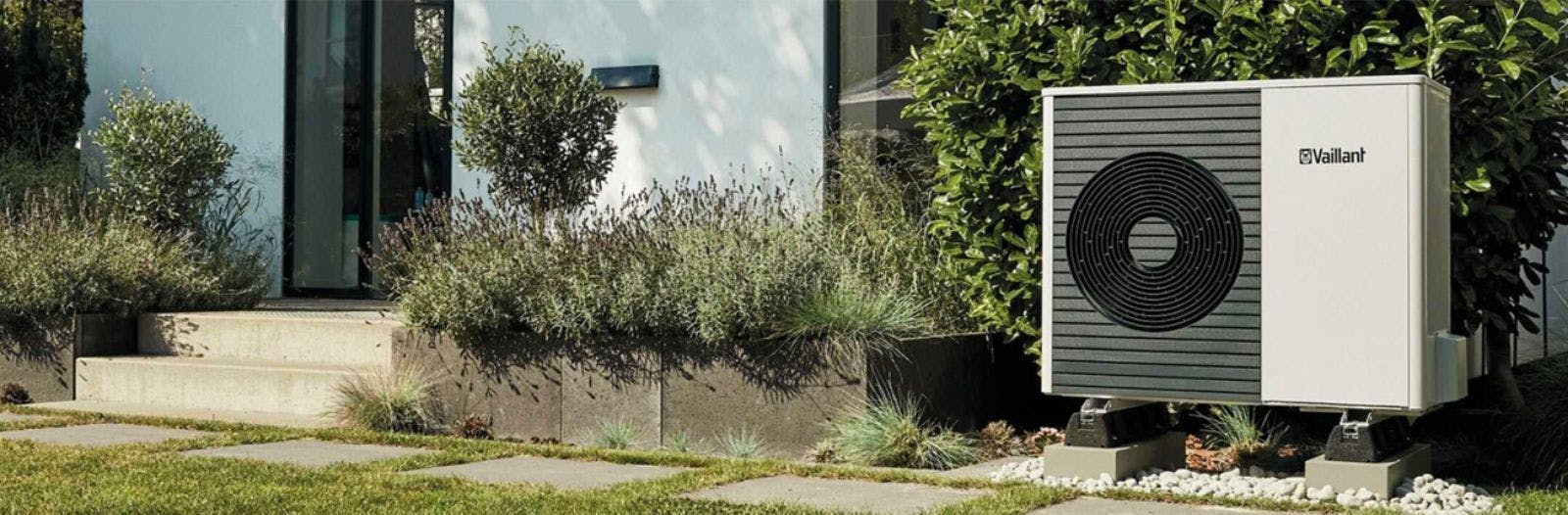
If your outdoor heat pump unit is icing up, it can look alarming, especially in the middle of a cold, damp spell. The good news is that a light coating of frost during winter is usually part of normal operation, but there are times when ice is a warning sign you should not ignore.
How heat pumps create frost in cold, damp weather
A heat pump works by absorbing heat from the outdoor air and transferring it indoors. To do that, the outdoor coil has to be colder than the surrounding air, even on chilly days.
When cold air hits that very cold coil, moisture in the air condenses and then freezes on the metal surfaces. In places with damp winters, such as around Sevenoaks, a thin layer of frost on the outdoor unit is entirely expected.
This frost only becomes a problem if it builds into thick ice that the system cannot clear by itself. That is where the defrost cycle comes in.
Light, even frost on the coil in cold, moist weather is normal
Thick, solid ice that does not clear is a concern
Defrost cycles help remove frost and protect the unit
Good airflow and drainage help prevent excessive icing
How the defrost cycle works in simple terms
Your heat pump is designed to remove frost automatically. Every so often, it briefly switches mode to send heat to the outdoor coil instead of indoors, melting the ice that has formed.
In most conditions, a defrost cycle will last somewhere between 5 and 15 minutes. During this time, you may notice the indoor air temperature dip slightly or the heating pause, then resume once the cycle has finished.
What you should see and hear during defrost
When the system goes into defrost, the outdoor fan will usually stop, even though you may still hear the compressor running. You might see steam rising from the outdoor unit as the ice melts and cold air hits the warmer coil.
Some systems make a soft swishing or whooshing sound when switching into or out of defrost. This is typically the sound of refrigerant reversing direction and is normal for many units.
How often defrost should happen
The frequency of defrost cycles depends on temperature, humidity, and your specific unit. In cold, humid weather, it might defrost every 30 to 90 minutes. In drier or milder weather, it may hardly defrost at all.
The key is that frost should clear after a defrost cycle and not simply build thicker over time. If ice stays put or returns immediately, it suggests a problem with defrost control, sensors, or airflow.
Homeowner checks that are safe to do
There are several simple things you can safely check yourself that often help reduce unnecessary icing and support proper defrosting. These checks do not involve opening the unit or touching electrical components.
First, make sure airflow is not restricted. The outdoor unit needs room for air to move freely through the coil, or it will ice up more quickly and struggle to clear the frost.
Clear leaves, rubbish and garden debris from around the unit
Keep plants, fences and stored items at least 30–60 cm away on all sides
Check the top and sides of the unit are not blocked by snow or objects
Make sure any grills or louvres are not clogged with fluff or dirt
Also check that melted ice can drain away freely. The base tray or the ground beneath the unit should not be sitting in a frozen puddle, as standing water that refreezes can trap the unit in a block of ice.
Look for blocked drains, compacted snow, or anything stopping water escaping beneath or behind the unit. Clearing a path for water to run away can make a real difference in very cold snaps.
Things you should not do with an iced-up unit
It can be tempting to attack the ice if your heat pump looks frozen, but the wrong approach can cause expensive damage. The metal fins on the coil are very delicate and easily bent or pierced.
Do not chip, scrape or lever ice off the coil or fan with tools, and do not pour boiling or very hot water on the unit. Rapid temperature changes can crack plastics or stress pipework, and physical force can puncture the coil.
Avoid covering the unit with tarpaulins, plastic or "protective" covers, even in bad weather. Covers trap moisture and restrict airflow, which usually makes icing worse and can encourage corrosion.
Warning signs that need an engineer
Some icing patterns do indicate a fault and should be looked at by a qualified heat pump engineer. Leaving these issues unresolved can increase running costs and shorten the life of your system.
Contact an expert if you notice any of the following:
Thick, solid ice building up over the entire coil, fan, or even the casing that does not clear properly after a defrost cycle. If you have to keep turning the system off to let it thaw, there is likely an underlying problem.
Repeated short cycling, where the unit keeps starting and stopping within a few minutes, or the heating output is weak even though the unit runs for long periods. Unusual noises, such as loud grinding, metallic scraping, or repeated banging, also warrant attention.
If your controller shows error codes, warning lights, or persistent fault messages related to outdoor temperature sensors, defrost, or low performance, switch the system off and arrange a professional inspection.
How installation and design affect icing
Sometimes the root cause of heavy icing is not the heat pump itself, but how and where it has been installed. A poorly sited outdoor unit can be exposed to constant wind, dripping gutters, or cramped spaces that encourage frost build-up.
If the unit is too close to a wall, in a tight corner, or beneath a roof edge where cold water drips and freezes, it will struggle to defrost effectively. Restricted airflow, badly designed enclosures and blocked grills can all make icing far worse.
Incorrect pipe insulation, poorly set control parameters or mismatched controls can also confuse the defrost logic, making it run at the wrong times or not long enough. If you suspect installation or system design may be contributing, it is worth speaking to a specialist who handles both installation and servicing, and asking them to review your setup and advise on improvements.
When to book heat pump servicing or repair
Light frost on your outdoor heat pump unit in cold, damp weather is usually just part of normal operation, especially if it clears during regular defrost cycles. However, persistent heavy ice, regular heating problems or error codes are signs that something is not quite right.
If you are concerned about how often your unit is icing up, or you have spotted any of the warning signs described above, it is sensible to get it checked before a minor issue becomes a costly repair.
For friendly, expert help with heat pump icing problems, servicing or repairs, contact The Heat Pump Guy on 01689 495672. A professional inspection can get your system running efficiently again and give you peace of mind for the rest of the heating season.