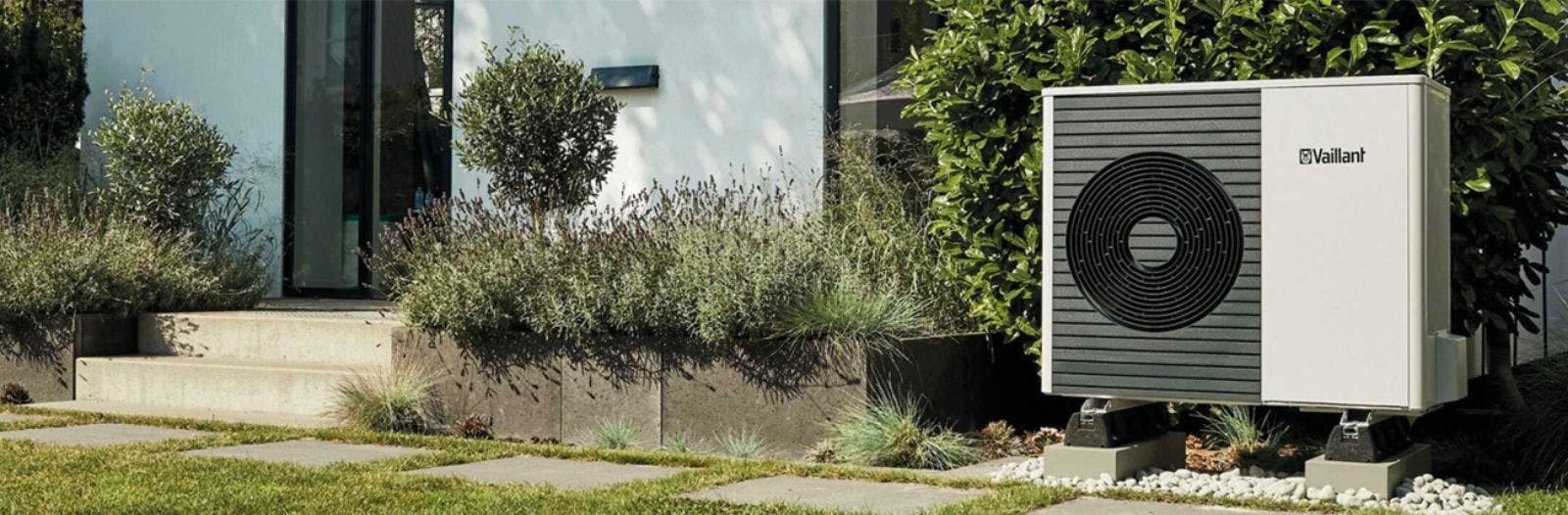
If you have an air source heat pump, a proper service is one of the best ways to keep running costs down, avoid breakdowns and protect the warranty. Yet many homeowners are not sure what an engineer should actually be checking during a visit.
Quick summary of what a proper service covers
A good annual service is much more than a quick visual once-over. Your engineer should be checking safety, efficiency and reliability, as well as how the system is set up for your specific home.
In simple terms, a thorough service will usually cover:
Outdoor unit: condition, airflow, coils, fans, drainage, defrost operation
Indoor unit & pipework: leaks, valves, pumps, filters, strainers, insulation
Heating side: radiators, underfloor loops, hot water cylinder and temperatures
Controls: room stats, programmers, weather-compensation and schedules
Performance checks: temperatures, flow rates, pressures and electrical safety
Your role is mainly to keep the area clear, report any changes in performance and adjust basic settings. Anything involving refrigerant, electrics or internal components should only be done by a qualified engineer.
Indoor unit checks: what the engineer should do
Most air source heat pumps have an indoor unit that looks a bit like a modern boiler or hot water module. This is where many of the safety and efficiency checks take place.
During a proper service, the engineer should:
Check all visible joints and connections for any signs of leaks, corrosion or staining. They should look at valves, pumps and safety devices and confirm they are operating freely and not stuck or seized.
Clean or check any inline strainers or filters on the heating system side. Clogged strainers can reduce flow rates and quietly damage efficiency. The engineer may also check expansion vessels and system pressures where applicable.
Electrically, they should inspect terminations for signs of overheating or loose connections, check earth connections and confirm there is no obvious damage to cables or control wiring.
Outdoor unit checks: airflow, coils and defrost
The outdoor unit is exposed to the weather, so it needs regular professional attention as well as basic care from you. In places like Kent, where you might have a mixture of older brick houses and newer extensions, units are often tucked by side passages or patios, which can easily get cluttered.
An engineer should first assess clearances and airflow. They will check that nothing is blocking the intake or outlet, look for debris in and around the unit and make sure the base is sound and level.
They should inspect the coil fins for damage or heavy fouling and clean them if required using appropriate methods. Fan blades and guards are checked for damage, noise and secure fixing. Condensate drains and defrost water paths are inspected so water can escape freely in winter.
On the refrigeration side, the engineer checks for any obvious signs of leaks, oil staining or damage to pipes and insulation. They may monitor operating temperatures and defrost performance to ensure the unit is working efficiently in cold weather.
Controls and heating system side checks
A heat pump is only as good as its settings and the system it is connected to. Older radiator systems and mixed extensions often need careful tuning so the heat pump runs at lower flow temperatures without leaving cold spots.
On the heating side, an engineer should check that radiators or underfloor zones are heating evenly, that any blending valves are set correctly and that pumps are circulating properly. They will often bleed radiators or check air vents if there are signs of trapped air.
If you have a hot water cylinder, they should confirm the cylinder stat settings, check temperature at the taps, review any legionella protection cycles and inspect discharge pipework for safety. Insulation on cylinder pipes should be checked and improved if necessary.
For controls, the engineer should look at your current schedules, temperatures and any weather-compensation curves. They may suggest tweaks so the system runs longer at lower flow temperatures rather than short bursts at high temperatures, which saves energy and improves comfort.
Checks a good engineer will record in writing
A key part of a quality heat pump service is the performance data your engineer records. This gives a snapshot of how your system is running and a baseline for future visits.
Flow and return temperatures at the heat pump and heating system
System pressures and expansion vessel checks where applicable
Electrical checks such as supply voltage and running current
Any controller settings adjusted during the visit
They may also note any recommendations, such as adding more insulation, balancing radiators or upgrading controls at a later date.
Red flags of a poor-quality service
If you are paying for professional servicing, it is reasonable to expect more than a quick look and a wipe down. There are some common warning signs that the service has not been thorough.
Be cautious if the engineer does not take or share any performance readings at all. Without temperature, pressure or electrical checks, it is very hard to judge how well the system is running.
Another red flag is ignoring the heating system side. If strainers, filters, pumps and radiators are not checked, the root cause of poor performance can easily be missed. The same applies if they do not ask about your comfort, running costs or any issues you have noticed.
If no time is spent looking at controls, schedules or weather-compensation, you may be missing easy efficiency gains. A good engineer will talk you through how the system is set up, not just disappear to the outdoor unit and then leave.
What you should receive after a heat pump service
Before your engineer leaves, you should get clear confirmation of what has been done and how the system is performing. This helps with future fault finding, warranty queries and general peace of mind.
Ideally, you should receive a brief written report or checklist that includes key readings, any parts cleaned or adjusted, and any concerns that may need future attention. Digital reports by email are common and easy to store.
You should also have a chance to ask questions about settings, running costs and any changes you might notice after the visit. If adjustments were made to controls, the engineer should explain what they did in plain language.
Finally, ask when they recommend the next service and keep the paperwork somewhere safe with your other system documents.
Next steps: book expert air source heat pump servicing
A well-serviced air source heat pump should be quiet, consistent and efficient, even through a British winter. If you are unsure whether your last service was thorough enough, using a clear checklist is a good place to start.
For professional Air Source Heat Pump Servicing & Repair, contact The Heat Pump Guy on 01689 495672. You will get clear explanations, proper performance checks and practical advice tailored to your home.