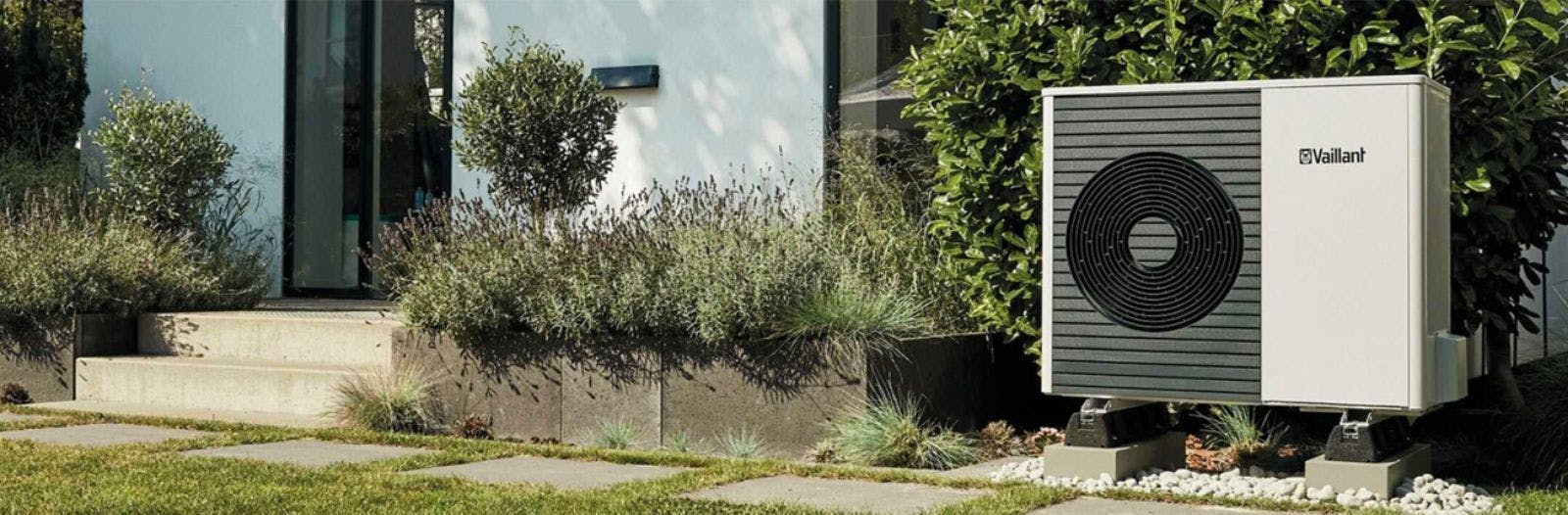
If you live in Kent and are thinking about an air source heat pump, it is sensible to check planning rules before you book an installation. A little homework at the start can save you delays, redesigns and awkward conversations with your local council later on.
Planning permission and permitted development explained
Planning permission is formal consent from your local council to carry out certain building works or changes. It involves an application, plans, and a decision from the planning department before you can go ahead.
Permitted development is different. These are works that the government allows without a full planning application, as long as they meet specific conditions and limits. Many air source heat pump installations on houses can fall under permitted development if they are designed correctly.
Whether your heat pump is permitted development will depend on things like its size, where it is placed, how it looks and how much noise it makes. Your local planning authority in Kent (for example Sevenoaks District Council, Tonbridge and Malling Borough Council or similar) applies the national rules to your specific property.
Key checks before you install an air source heat pump
Before you assume you do not need planning permission, it helps to work through a few simple checks. These points are usually what make the difference between permitted development and needing a formal application.
Outdoor unit location: Is it on the ground or fixed to a wall, and which side of the house?
Distance to boundaries: How close will the unit be to neighbours’ gardens or walls?
Visual impact: Will it be obvious from the road or change the look of the front elevation?
Noise levels: How quiet is the unit and how close is it to windows, especially bedrooms?
Listed or protected building: Is your home listed or in a sensitive setting?
Outdoor unit placement and boundaries
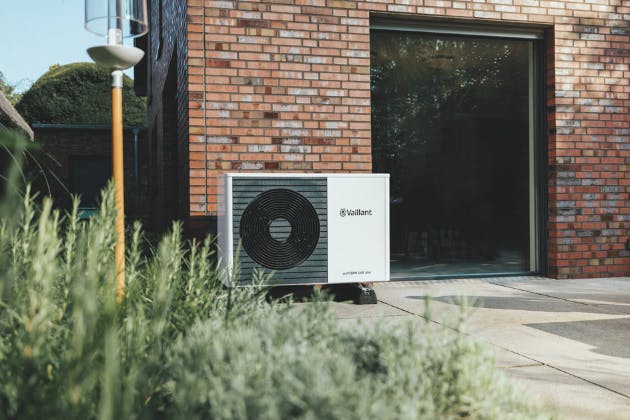
Most air source heat pumps are a single outdoor unit about the size of a small fridge. Placing it at ground level in the back garden, away from the public highway, is usually the simplest route to compliance.
Issues tend to arise if the unit is very close to a neighbour’s boundary, or if it is mounted on a wall where vibration or noise could travel more easily. In terraces and tight plots around Kent towns, careful measuring of the distance to the nearest window or boundary is particularly important.
Visual appearance and local streetscene
Councils want external equipment to sit neatly within the existing building and streetscene. A discreet installation on a side or rear elevation, or tucked behind existing planting or a fence, is normally preferred.
However, any screening must still allow enough airflow. Solid boxes around the unit or very close fencing can harm efficiency and may breach manufacturer guidelines, so visual design and performance need to be balanced.
Noise limits and quiet operation expectations
Modern air source heat pumps are designed to be quiet, but they are not silent. Planning officers look at the potential noise at the nearest neighbouring window, especially at night.
Choosing a quiet model and siting it away from bedroom windows, patios and other sensitive spots usually keeps you within accepted noise limits. A professional installer should be able to provide noise data and suggest siting options that minimise disturbance.
Listed buildings and heritage sensitivity
If your property is listed, different rules apply. Even if a standard house nearby could rely on permitted development, a listed home may need both planning permission and listed building consent.
Visual impact, reversibility and protection of historic fabric all come under closer scrutiny. In Kent’s older villages and town centres, it is smart to check the status of your property early in the process.
Special cases: conservation areas, flats and leaseholds
Some locations and property types require extra care, even where the basic householder rules might otherwise be straightforward. It is not just about planning permission; legal rights and covenants can also come into play.
Homes in conservation areas
Living in a conservation area does not automatically ban air source heat pumps, but councils often pay more attention to changes visible from the street. A front garden unit or a unit on a prominent side wall may be more tightly controlled.
Placing the unit in the rear garden, keeping it low, and using tasteful screening can help keep the character of the area while still allowing an efficient system.
Flats, maisonettes and shared buildings
Flats and converted buildings are often not covered by the same permitted development rights as single houses. You may need full planning permission, even for a modest unit on a shared wall.
In addition, there can be issues around shared structures, fire safety, access for maintenance and noise affecting multiple neighbours rather than just one adjoining property.
Landlord and freeholder consent
If you rent your home or own a leasehold flat, you will usually need written consent from the landlord or freeholder before any external equipment is installed. This is separate from planning permission.
Leases often contain clauses about altering the external appearance or fixing equipment to walls and roofs. Getting written approval upfront helps avoid disputes and potential costs later.
Paperwork and steps to expect
A well-managed heat pump project builds compliance into the process from day one. Rather than treating planning as an afterthought, your installer should gather the information needed to assess risk early on.
Site survey: A visit to check access, space, boundaries and potential siting options.
Photos and sketches: Images of the proposed location and simple layout plans.
Measurements: Distances to windows, doors, boundaries and neighbouring properties.
Noise data: Manufacturer’s sound levels and any calculations if required.
Council contact: A pre-application enquiry if your case looks borderline.
If it is unclear whether your project is permitted development, a quick conversation with your local Kent council’s duty planner or a written pre-application query can give useful guidance. This can be especially helpful in conservation areas or on more complex properties.
Practical siting tips to reduce planning and neighbour risk
Good siting not only supports planning compliance, it also makes the system quieter and more pleasant to live with. Several simple choices can make a real difference.
Placing the unit away from bedroom windows, both yours and your neighbours’, helps reduce the chance of disturbance at night. Anti-vibration mounts and a solid base will further cut low-level humming or rattling through walls and floors.
Sensibly designed screening, such as a slatted enclosure or planting, can soften the look of the unit without choking airflow. Always leave the clearances recommended by the manufacturer on all sides so performance is not affected.
Finally, think about condensate drainage. Ensuring water from defrost cycles runs to a suitable drain point, rather than across a path or patio, avoids slippery surfaces in winter and removes another potential complaint.
How we help with planning checks and compliance
A professional survey from an experienced installer will consider siting, noise and planning risk at the very start. That means you can move forward with confidence, rather than guessing what your local council might say.
At The Heat Pump Guy, our home assessments across Kent look at permitted development rules, practical siting options and the comfort of you and your neighbours. We can also advise when it is sensible to speak directly with your council’s planning team.
If you would like to explore a full installation, you can read more about our heat pump installation service and see how we work in your area.
Next steps for your Kent home
Before you commit to an air source heat pump, take a moment to check your property type, location and likely siting against the points above. In many cases, a well planned installation on a typical Kent house will fall under permitted development, as long as it is quiet, discreet and sensibly placed.
To get clear advice tailored to your home, book a home survey with The Heat Pump Guy. Call 01689 495672 to arrange a convenient assessment and take the next step towards a low carbon heating system that keeps both your council and your neighbours happy.